Showing posts with label Cultural Culinary Adventures. Show all posts

Thursday, November 4, 2010

We've moved!

Expat Kochen has moved - check out www.expatkochen.com for more!

Dear Foodie Friends,

Extra, extra, read all about it: Expat Kochen has a new address!

Going forward, each new post, chock full of helpful tips, inspiration and colorful photos, will be available at http://www.expatkochen.com. Be sure to bookmark our new URL or follow Expat Kochen with Google Friend Connect. You'll find this option in the right-hand sidebar of the new website. Following our blog means that you'll be notified each time Expat Kochen shares a story, posts an event or tempts you with a delicious recipe. Make sure you don't miss out!

So, come on over to http://www.expatkochen.com. Drop us a line in the comments section to let us know you've made it!

See you in the kitchen,
The Expat Kochen Team

Inspiring you to cook, wherever home may be...

Friday, October 1, 2010

Signs of the Season


Recently I was talking with a friend about the upcoming mushroom hunt he was happily anticipating. What I really wanted to do was invite myself along, but that wouldn't work for various reasons (politeness among them) and so I did what I thought was the next best thing. I invited him to "guest blog" all about it. As we begin to discuss the value of eating seasonally and locally here at Expat Kochen, how perfect it seems to hear about a walk in the nearby woods to gather some mushroom bounty. Maybe I (you too?) can join him next year!

And so it is with great pleasure that I present Alan Hochberg and his mushroom adventures. Thanks for your informative and inspiring post Alan!

Rylla
*****************************************************************
On (a recent) Saturday I took part in the mushroom-picking excursion in the woods at St. Chrischona, led by Peter Kaupp of the Basel Pilzkontrolle department. There were 15 of us in the class, and there was quite a range of age and experience. There were a few other newcomers like me, but many of the class members recounted fond memories of going with parents or grandparents to pick mushrooms when they were children. Mushroom-picking seems to be something that it is easy to get sentimental about, as well as downright fanatical. As we walked through the woods, we ran into a number of other mushroom collectors, all of whom were very excited to run into Peter and his class of neophytes, and they wanted to show us what they had in their baskets.

With the cool, damp weather we've been having, conditions were perfect. After a brief introduction, Peter sent us off into the woods for about 15 minutes just to find samples of whatever was out there. It was impressive to see that we found about 30 or 40 different varieties of mushrooms just in that short time. Using our finds as illustrations, Peter gave us a mushroom anatomy lesson, and taught us some of the features that are used to classify the different varieties. A lot of it has to do with looking at the underside where the spores are, but it also involves feeling, smelling, and even tasting. There is one variety where you need to put a small piece in your mouth. If it tastes mild, keep it, if it tastes spicy, toss it. (Warning! This is not a general rule, and is only for one variety, called Täubling. Tasting random mushrooms is dangerous!)

It turns out that one couple in the class had found a nice bunch of Eierschwamme (chanterelles)--a real prize—and some of the rest of us had found other edible varieties. We had also found some poisonous varieties as well, including a beautiful specimen of the deadly Amanita phalloides, which Peter casually tossed on the ground after showing us all how to identify it. I will say that having an expert right there really took the worry out of mushroom-picking, even after he shared some hair-raising tales of mushroom poisoning. Fortunately, Switzerland has a network of Pilzkontrolle offices whose job is to inspect what the professionals and amateurs have collected. I absolutely plan to take anything I find in the future down to their office!

The mushroom population of a forest depends on the types of trees that grow there. So nobody in St. Chrischona was finding the treasured Steinpilze (cepes). We were told they are more common in the Black Forest where there are more pine trees.

I brought home some Parasolpilz (Marcrolepiota procera), and some Violetter Lacktrichterling (Laccaria amethystina). The latter don't have much flavor, but their violet color has eye appeal.


On the night of the mushrooming excursion, I put them into a frittata along with some snow peas.


I also brought home some nasty-looking paper-like little black trumpet-shaped Herbst-Trompete (in the first photo), which Peter told us were edible. I was dubious, so I only grabbed a small handful. On Sunday night, I chopped them into small pieces and threw them into a sauce for a braised Falsches Filet. They were delicious! Now I'm kicking myself for not grabbing more of them when I had the chance. (There is a one-kilogram quota for mushroom pickers, but that's actually an enormous quantity for personal use.)

At any rate, I think I'm addicted to mushroom-picking now. I treated myself to a beautifully illustrated handbook (Pilzführer Schweiz, by Markus Flück), and I'm hoping I can get in another trip or two into the woods before the first hard frost ends the season.

Alan

Monday, September 20, 2010

Job Factory Restaurant for Lunch


If you find yourself in Basel near Dreispitz, and want a lovely simple lunch with enthusiastic service, then get thee to Job Factory. What is it, do you say? Well, so many things. First, it is a lovely Geschenk Boutique (gifts, kitchen stuff, jewelry, etc.), a fashion stop and more. Guitars downstairs, hair salon up, café, digital printing service around the corner, and then there is the kitchen manufacturing/installation division, and of course the restaurant, but I digress.

What makes Job Factory extra special is that the store clerk/waiter helping you is quite likely a young person there to gain experience and prepare for life as an adult. Job Factory employs kids for a year in various businesses to give the kids practical experience and prepare them for the "real world." The young employees are trained and mentored on how to interview, prepare their CVs, and so much more.

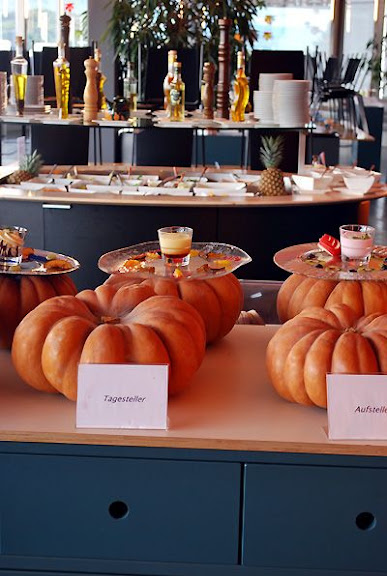
That translates to is stellar service, as was evident recently when Expat Kochen met to talk food and eat too. The restaurant is open for lunch and is on the top floor of the Job Factory building. When you get there you will see samples of meals available. You can get a small salad with the meal, or opt for the salad plates in medium or large.

Once we figured out the system and placed our order with our "sort of" German, we had a lovely conversation with our waiter. He was curious about us and our background. While he seemed fairly new, he was very attentive and clearly doing his best. His attitude was refreshing and so welcome.


After a delicious salad and plate of the day we got a special treat (this food blogging thing ain't bad!)


Desserts and coffee are also available, and beautifully presented.


So if you want a simple meal made with beautiful, fresh ingredients and loving care at a good price, get thee to Job Factory. And don't forget to consider a haircut (they speak English and have nice prices), great shopping (think mini Anthropologie) or a coffee and treat.


Thanks for the lovely meal and service we received!
Vielen dank!

Job Factory Restaurant
Münchensteinerstrasse 268
4053 Basel
Telephone 061 560 01 01
info@jobfactory.ch


Friday, September 10, 2010

Seasonal Abundance

Join us for Cooking with the Seasons!

Fall is upon us and with it a change not only in the weather, but also in the foods available to us. They say variety is the spice of life, so let's take advantage of each of our four seasons to add some variety to our menus while enjoying nature's bounty.

We are pleased to celebrate eating seasonally and to welcome Vanessa Gatelein to our Expat Kochen team. Vanessa will lead our workshop designed to explore our relationship with food and the natural cycle of the seasons. Then we'll take what we have learned and use it as we cook a few seasonal dishes together. You will leave this class understanding why it is good to eat seasonally and where to go to get great, local, farm fresh produce. And of course you'll go home with some recipes, intended to inspire you to get cooking in your own kitchen.

Please join us as we learn about taking advantage of the natural abundance the earth is providing for us right now. It's all about getting grounded where you are, eating well and feeling great!

What: Seasonal Abundance Workshop
When: Thursday, October 28, 6:30 - 9 p.m.
Where: Sonnenweg 7, 4144 Arlesheim, Switzerland
Cost: 40 CHF
RSVP: expatkochen@gmail.com

We are thrilled to be hosting this event at the beautiful kitchen of our friend and architect, Cordelia Fox Wälle. Thanks Cordelia!


Monday, July 5, 2010

Un Poquito de México recipes

Strawberry Gazpacho

2 medium cucumbers
3 cups strawberries
1 T fresh lime juice
1 green onion
2 T good olive oil
hot sauce
salt
chives

Peel cucumbers, hull strawberries, and clean scallion. Roughly chop all three and blend (blender or food processor) slightly with rest of ingredients except chives. Do not over process – you want a coarse texture. Taste for seasoning, adding salt and hot sauce as needed. Refrigerate till ready to serve, garnishing with chives.
Serves 4 or 8 as tapas.


Mango Salsa

2 mangos, cubed
3 T grated ginger
1 hot pepper, finely chopped
juice of 1 or 2 limes
pinch of salt

Mix ingredients together and serve. Great for dipping or with steamed fish or fish tacos.


Black Bean salsa

1/4 cup olive oil
1/2 cup red wine or apple cider vinegar
1/4 cup sugar
1 small fresh chile, seeds removed, minced (or 1/4 tsp cayenne powder)
1 t chile powder
ground pepper to taste
1/2 cup chopped cilantro (or to taste)
1 medium red onion, chopped
2 cups (or 2 cans) black beans, drained
1 cup (or 1 can) whole corn, drained
1 can diced tomatoes in own juice (or 1 cup chopped tomatoes, including all of juices)

Mix ingredients together and let rest for at least an hour before serving so flavors mix together.


Roasted Salsa

6 medium tomatoes
1 hot pepper
3 cloves garlic
salt to taste

Preheat a cast iron skillet over high heat and cook the tomatoes and jalapeño until charred, turning occasionally. Peel garlic and smash with salt making into a paste. Put all ingredients into a bowl and roughly chop to make this rustic salsa. Salt to taste.

Note: This can be a great base. Add onions, cilantro, lemon or lime juice, etc.


Tortilla Soup

2 cups Salsa de Molcajete (see above)
8 cups stock (chicken or vegetable)
1 – 3 dried Ancho, Guajillo, or other peppers
3 green onions
3 tomatoes
2 bell peppers (any or many colors)-chopped
avocado cut into strips or chunks
cilantro
lime & lemon wedges
tortilla strips (can be fried if desired) or chips
crème fraîche

Put dried peppers in boiling water and soak for 20 minutes. Chop and blend with salsa. Add mixture into soup pan with stock. Simmer for 20 minutes or longer, adjusting seasoning to taste. Chop onions, bell peppers, avocado and cilantro. Put into small serving bowls along with lemons, limes, tortilla strips and crème fraîche to be added to soup as desired.


Refried Beans

1 cup dried beans
1 onion, chopped
2 cloves garlic, minced
2 t cumin
5 slices bacon or chunks of salt pork (optional)
salt & pepper to taste

Soak beans overnight. Drain soaking liquid, then place in a medium sized pot and add water to cover. Add onion, garlic cloves, cumin, and bacon or salt pork. Simmer for about 2 to 3 hours or until beans have softened, adding water as needed. Salt and pepper at the end to taste.

Refry
1 onion, chopped
1 clove garlic, minced
cumin to taste
1 T olive oil

Sauté onion and garlic in olive oil, then add beans and more cumin to taste. Smash with potato masher to desired texture. Add water if needed to keep them soft in the skillet.


Tortillas

2 cups masa (white corn flour)
1/2 teaspoon salt
1 1/4 cups water

Whisk masa and salt together. Add water and mix thoroughly for about two minutes. If dough feels dry, add more water, 1 teaspoon at a time. Divide dough into 16 equal balls. Line the tortilla press with 2 thick pieces of Saran wrap. Press until 5 or 6 inches in diameter. Carefully peel off wrap. Cook in hot ungreased skillet for 50 sec or longer then turn. Cover with dampened cloth to keep warm.


Agua Fresca

1 small, ripe melon (musk)
1 tray ice cubes or 1 1/2 cup water
sugar, depending on preference.

Peel melon and blend fruit in standing blender or with a stab mixer. Add splashes of water to assist with mixing. Taste the juice – if it is to tart or bitter for your preference, try adding just a bit of sugar, mix again. Adjust to your liking. Once thoroughly blended, transfer to pitcher and add ice (or remaining water). Stir and let sit for approximately 15 minutes before serving. Stir again immediately before serving.

Friday, July 2, 2010

CCA cooks - Un poquito de México!

Cooking with Cultural Culinary Adventures in Basel, Switzerland

A beautiful mix of flavors, colors, smells, and people = FIESTA! Un Poquito de México was just what we had on a lovely warm evening at the beautiful home of our host, Linda.
Cooking with Cultural Culinary Adventures in Basel, Switzerland

Cooking with Cultural Culinary Adventures in Basel, Switzerland

Our menu was inspired but not limited to Mexican tastes. We began with Strawberry Gazpacho (thanks to Blue-Kitchen.com) and Agua Fresca. Next we made Real Margaritas courtesy of Ina Garten's Barefoot Contessa Parties book.
Cooking with Cultural Culinary Adventures in Basel, Switzerland

Cooking with Cultural Culinary Adventures in Basel, Switzerland

On to homemade white corn tortillas, many salsas, guacamole, refried beans, and tortilla soup. The unique Mango Salsa allowed for a helpful mango cutting demonstration—a few easy steps leads to more mango in the dish and less left on the pit! We also shared a few new avocado cutting techniques which makes removing it from the shell a snap.
Cooking with Cultural Culinary Adventures in Basel, Switzerland

Cooking with Cultural Culinary Adventures in Basel, Switzerland

We chatted, relaxed, did some cooking demonstrations, cooked together, played together, and cleaned up together. Pasamos una noche muy linda! (It was a beautiful evening!)
Cooking with Cultural Culinary Adventures in Basel, Switzerland

Our sweet giveaways this evening were donated by The Job Factory Store in Dreispitz—thanks Job Factory!
Cooking with Cultural Culinary Adventures in Basel, Switzerland

Also, Thanks so much to Linda for sharing her not so small Swiss kitchen, and thanks to all who attended and helped us out. It was so much fun that we are considering another Mexican inspired evening in the near future. ¡Olé!
Cooking with Cultural Culinary Adventures in Basel, Switzerland

Cooking with Cultural Culinary Adventures in Basel, Switzerland

Friday, June 11, 2010

Un poquito de México!

Join us for a Mexican food celebration!


What: A little bit of Mexico!
When: Thursday, June 24, 2010, 6pm
Where: Auf dem Rücken 2, 4125 Riehen, CH
Cost: 20 CHF
RSVP: Please send your RSVP to expatkochen@gmail.com
or leave a comment below.

Well, summer weather is (finally :-) upon us and with it summer schedules. (We have had to postpone our June event to the last Thursday of the month.) Hope many of you will make it as we prepare some Mexican dishes and drinks together. Bring your partner, your neighbor, anyone interested in some spice on a summer evening!

Friday, May 21, 2010

Sangria Tasting, Indoor Sunshine, part 2


5 Sangrias on a cold winter's day...wait a minute, wasn't that supposed to be a warm breezy day on the patio? Well, yes that would be the time one would traditionally think Sangria, but we didn't let the rain and dark clouds stop us. We just created more indoor sunshine, this time with a group of women in a small Swiss kitchen, open to trying a twist on traditional Sangria recipes.

What did we learn? That we like white and rosé Sangrias, and might even consider dressing them up and taking them out. Out of the pitcher, that is, and into the cocktail or champagne glass to serve them for brunch or as an aperitif. We learned that we like herbs in our sangrias, and that while some of us aren't so sure about coffee as a flavor enhancer, some of us who like coffee found it oddly satisfying!

We had a great evening, and hope that we helped to carry in the sunshine and warmth. The weather forecast finally has something beyond clouds and coolness for the first time in, well, weeks. So while we didn't have the warm weather for the tasting perhaps it was just in time to escort in the sunny weekend. 24 degrees (75 Fahrenheit), we are ready.

In case you have the weather for Sangria, here are the recipes for what we tasted. Remember that these recipes are really a starting point, perhaps an inspiration. Taste along the way and add/adjust to make them your own unique creations.

Sparkling Pear Sangria

1 bottle Prosecco
4 cups Schweppes Pear Lime (or sparkling pear cider)
3/4 cup orange liqueur
3/4 cup pear brandy
2 cups grapes, mango, raspberries, or other fruit

Combine orange liquer, pear brandy and fruit. Refrigerate for several hours to let flavors meld. Add Pear Lime Schweppes and Prosecco and serve immediately.

Basil Peach Sangria

3/4 cup sugar*
1 cup loosely packed basil leaves
3 1/2 cups peach nectar
Juice of 1 lemon
1 bottle light white wine (such as Pinot Grigio, nothing with oak)

In a saucepan combine the sugar, basil leaves, half the peach nectar, and lemon juice. Bring to a simmer, crushing the basil leaves with the back of a spoon to release their flavor. Simmer just long enough to melt the sugar, then remove from the heat and allow to cool. Strain the basil mixture into a pitcher filled with ice cubes. Pour in wine and remaining peach nectar. Stir briefly and serve.

*Note: Most of us agreed that we'd add less sugar to this recipe, 1/3 to 1/2 cup should be plenty.

Vino Francesca

1/3 cup honey
1/3 cup boiling water
15 sage leaves plus more for garnish
1 bottle rosé
Lemon twists for garnish

Stir honey into boiling water until dissolved. Add 15 sage leaves and muddle them with a wooden spoon. Let syrup cool slightly then strain into a pitcher pressing hard on sage leaves.

Pour in rosé and stir well. Serve over ice, garnishing with remaining sage leaves and lemon twists.

Jon's Red Sangria

1 orange, 1 lemon, sliced thinly
2 liters (8 cups) red wine
1-2 tablespoons sugar
2 cups sparkling water
Pinch of coarse dark roast coffee*

Put fruit slices in a large pitcher and pour wine over fruit. Cover pitcher and refrigerate overnight. Just before serving add the rest of the ingredients. Serve over ice. This recipe can be easily adapted to white sangria using white wine and stone fruits, and yes, coffee!

*Coffee acts as flavor enhancer

Thanks to my friend Jon in Cleveland Heights for this recipe!

Sonda's Red Sangria

1 liter (4 cups) red wine
2 cups orange juice
1/2 cup Triple Sec
1/4 cup brandy
2 cups ginger ale*
Fresh fruits and berries

Combine all liquids except ginger ale and refrigerate overnight. When ready to serve add ginger ale and fruit. Serve over ice.

Thanks to Sonda, Erin's mom, for this recipe!

*For a great homemade ginger ale recipe, check out the following -


Cheers!

Wednesday, May 5, 2010

Join us for a Summer Sangria Tasting


What: Sangria Tasting
When: Thursday, May 20, 5 - 8 p.m.
Where: Hauptstrasse 138, 4126 Bettingen, Switzerland
Cost: 15 CHF
RSVP: expatkochen@gmail.com

Slip into summer with us as we taste some traditional red sangrias as well as light, refreshing, white sangrias. We'll share recipes, foodie conversation, and if the weather cooperates, time on the patio! Light snacks will be provided.

Monday, April 12, 2010

CCA goes shopping!


Cultural Culinary Adventures presents ...

What: An afternoon of exploring kitchenware and cooking gadgets, followed by goodies and conversation in a cozy cafe
When: Thursday, April 15th at 3:00 p.m.
Where: Downtown Basel
Cost: Bring some pocket CHF to treat yourself to coffee and a pastry
RSVP: expatkochen@gmail.com

Join us as we visit some of Basel's finest kitchen stores and discuss our latest adventures in the sSk (small Swiss kitchen).

Tuesday, March 23, 2010

CCA cooks - Breadmaking the Easy Way

Cultural Culinary Adventures in Basel, Switzerland: Breadmaking

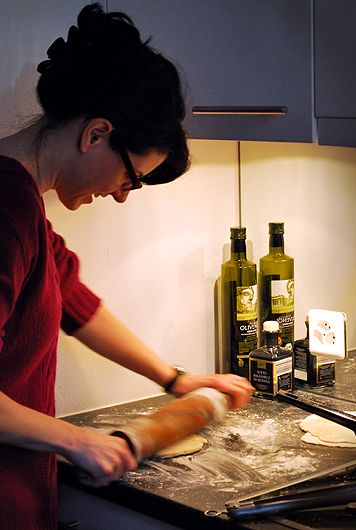
I had to stop, take it all in; the smells, the sights, the sounds, anticipating the tastes would soon follow, reveling in the moment. Sounds like a night the big city? Paris, New York, maybe London? No, it was just an sSk - a small Swiss kitchen, in Basel, Switzerland. Nine of us gathered along with quite a bit of flour, some yeast, salt and water and with that, created abundance. Abundance of bread, of conversation, of laughter. Here's a peek.

A bit of flour,

Cultural Culinary Adventures in Basel, Switzerland: Breadmaking
getting messy


Cultural Culinary Adventures in Basel, Switzerland: Breadmaking
you mean that's it???

Cultural Culinary Adventures in Basel, Switzerland: Breadmaking
mmmm...

Cultural Culinary Adventures in Basel, Switzerland: Breadmaking
And next...

Cultural Culinary Adventures in Basel, Switzerland: Breadmaking
pita dough,

Cultural Culinary Adventures in Basel, Switzerland: Breadmaking
so tasty, warm with butter and honey.

Cultural Culinary Adventures in Basel, Switzerland: Breadmaking
And now for flour tortillas,

Cultural Culinary Adventures in Basel, Switzerland: Breadmaking
and flip!

Cultural Culinary Adventures in Basel, Switzerland: Breadmaking
Sit and enjoy,

Cultural Culinary Adventures in Basel, Switzerland: Breadmaking
and, take along some abundance!


Breadmaking the Easy Way recipes

And now the how to...we began with No Knead Bread, adapted from Jim Lahey, Sullivan Street Bakery, NYC. Mark Bittman made this bread famous when he wrote about it in the New York Times in November of 2006.

No-Knead Bread

3 cups all-purpose or bread flour, more for dusting
1/4 teaspoon instant yeast
2 teaspoons salt, more if using sea salt

In a large bowl whisk flour, yeast and salt. Add 1 3/4 cups water and stir until blended. Dough will be shaggy and sticky. Cover bowl with plastic wrap (or I use a dinner plate) and let it rest for 12 - 24 hours at room temperature.

When dough is dotted with bubbles, dough is ready to turn out. Lightly flour a work surface and place dough on it. Sprinkle more flour and fold dough on itself once or twice. Cover with plastic wrap or a dishtowel and let rest while you heat the oven. (Note: original recipe called for a second rise here - leaving it about 2-3 hours until doubled in size. I almost always skip this second rise and still have great results. Try it both ways and report back to us, please.)

Heat oven to 230 C/ 450 F degrees. Put a large (2.5 liter, 2.5 quart) heavy covered pot in the oven as it heats - 15 minutes or more if you have the time. (Use cast iron, Pyrex, or ceramic. Note that original recipe calls for much bigger pot, but I find even a bit smaller works). Flour dough again if it is at all sticky. Using a bench scraper or spatula, slide dough off work surface into hands and place in heated pot. Shake pan to evenly distribute dough. Cover with lid and bake for 20 - 30 minutes, till bread is cooked through but still pale. Remove lid and bake another 15 - 20 minutes till crust is golden. Cool on a rack

For original article, recipe and some "fine tuning," check out the following sites

http://www.nytimes.com/2006/11/08/dining/08mini.html

Then we made our pita dough and while it was rising made tortillas.


Pita Bread
10 - 15 pita rounds

1 tablespoon honey
1 packet (2 teaspoons) active dry yeast
1/2 cup warm water + 1 1/2 cups warm water
4 cups all purpose flour plus some for dusting
1 teaspoon salt
olive oil

Combine yeast with honey and 1/2 cup warm water and let stand for 10 minutes to activate the yeast

Whisk together 3 cups of the flour with the salt, then add the yeast mixture. Add 1 more cup of flour and the other 1 1/2 cups water and mix. Knead the dough on a floured surface for about 5 minutes. Dough should be a bit sticky. If it is dry add more water, 1 tablespoon at a time

Lightly oil a clean bowl, add dough and lightly oil it also. Cover with a dishtowel and let rise for about 2-3 hours. Ideally it should have doubled in size. Then put the dough again on a floured surface and roll it into a rope, approximately 2 - 3 inches/5 cm in diameter. Cut into 8 to 15 pillows, depending on desired size. Arrange on a floured surface, cover and leave for 10 - 30 minutes

Heat oven to 450 F/ 230 C degrees, put the rack on the bottom, and preheat your baking sheet. Using your hands or a rolling pin, roll the pillows out into circles, but not too flat. When the oven is ready arrange pita circles on sheet and cook for 4 -5 minutes, until bread is puffed. Repeat with remaining dough.


Flour Tortillas

4 cups flour
1/8 teaspoon baking power
1/2 cup shortening (butter also works

Work the above ingredients together with fingers until consistency is like meal.

1 1/2 teaspoon salt
1 cup warm water

Mix water and salt, then drizzle into flour mixture adding warm water as needed to form a ball. Let it rest 20 minutes. Shape dough into rope and cut into 8 - 12 pieces, depending on desired size. Roll out as thin as possible (and then roll thinner). Heat pan to medium/medium high. Cook tortilla for 15 - 20 seconds on one side then flip and continue turning every 15 seconds until lightly browned. Tortillas can be stored in a sealable bag and reheated in the oven.

And for our last and quickest bread, back to Mark Bittman. From his cookbook, Quick and Easy Recipes, comes "Fastest French Bread" for those last minute, ok, last hour pinches. As he says this one is not the "best bread you've ever eaten, but it's the fastest yeast bread imaginable, and it's better than anything you can buy at many supermarkets." Great for that little extra you need with soup or salad, or as a gift.


Fastest French Bread

3 cups all purpose flour, more for dusting
2 teaspoons salt
1 teaspoon yeast
1 1/4 cups water

Whisk together the flour, yeast, and salt in a bowl or food processor. Add 1 1/4 cups of warm water all at once, stirring with a wooden spoon or with the machine on. Continue to mix, for a minute or two longer by hand, for about 30 seconds total with the food processor. Add water by the tablespoon if necessary, until a ball forms.

Shape the dough into a flat round or long loaf, adding only enough flour to allow you to handle the dough. Put the dough on a baking sheet or a well floured pizza peel. Let it rise in the warmest place in your kitchen, covered, while you preheat your oven to 425 F/220 C degrees. If you have time let the dough rise for an hour or so.

Bake the bread on the sheet, or slide it onto a baking stone. Bake until done, 30 - 45 minutes; the crust will be golden brown, crisp and firm.

We also sampled beer bread made from the following classic recipe.

Beer Bread

3 cups / 375 g all-purpose flour (up to half whole wheat / wholemeal flour)
4 1/2 tsp / 15 g bake powder (one envelope)
1 tsp salt
3 Tbsp raw sugar
1 beer (12 fluid ounces or 330 ml)
3 Tbsp melted butter
  1. Preheat over to 180 C / 350 F. Lightly grease a 9x5 inch/ 23x12 cm loaf pan.
  2. In a large mixing bowl, combine flour, baking powder, salt and sugar.
  3. Pour in beer. Stir until a stiff batter is formed.
  4. Scoop batter in prepared loaf pan. Pour melted butter over top of batter.
  5. Bake in preheated over for 50 to 60 minutes, until knife inserted into center of loaf comes out clean.
Note: One German-sized beer of 0,5 l is ideally suited for making a double-batch of bread, or alternatively, make only one loaf when you're in the mood to drink the other half of the bottle. The type of beer influences the flavor of the bread, so have fun experimenting with different beers...we have plenty of great ones to choose from in this region!

Saturday, March 6, 2010

CCA presents Rising to the Occasion


What: Rising to the Occasion - Breadmaking the Easy Way
When: Thursday, March 18th, 4-7 pm
Where: Efringerstrasse 12, 4057 Basel
Cost: 25 CHF
RSVP: expatkochen@gmail.com

We are so lucky to have amazing breads available to us here in Switzerland. And yet, there is something special about making it yourself. Whether to give as a lovely host/hostess gift or just to savor the smell in your own kitchen and enjoy, come and see how easy it is to make lovely European style loaves, tortillas, pitas, and more. We will focus on savory breads, the quick ones to make in an hour or so, and others that require a bit of time to rise, but not much else. To join the fun, email us at expatkochen@gmail.com.

Friday, February 5, 2010

CCA cooks Just for Two, just for you

CCA Basel, Just for Two
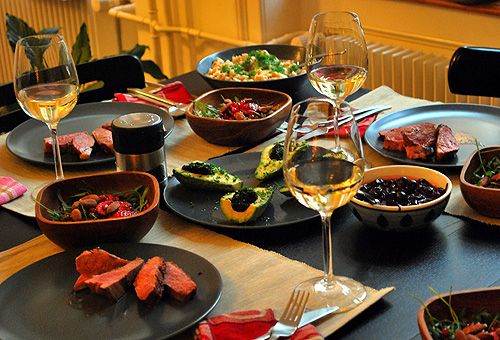
Once again, the Expat Kochen crew united for a fun afternoon of cooking together. Four ladies allowed their creative cooking juices to flow, and the result was a colorful meal paired with delightful conversation. We created a romantic menu full of healthy aphrodisiac ingredients, while an elegant seared duck breast added that extra touch of special that any Valentine’s Day menu deserves.

CCA Basel, Just for Two
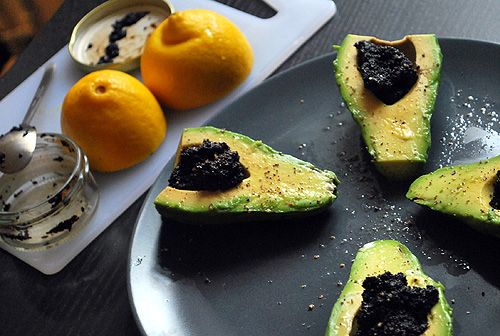
Our Just for Two menu included the pairings of caviar and avocado, curry and pomegranate, duck with cherries, and chiles with chocolate...browse through the recipes below and try not to drool!

CCA Basel, Just for Two
Cooking duck seemed a lofty challenge to many, but proved to be much simpler than anticipated. Our experiments with different cooking techniques taught us to err on the side of rare, which results in a delectably tender and juicy duck with a golden crisp skin.

CCA Basel, Just for Two
We also sampled some delicious wines specially chosen to compliment each course: Gewurztraminer, Pinot Noir and Port.

CCA Basel, Just for Two
We agreed that everything turned out delicious, was easy to prepare, and all look forward to recreating the special meal with our special someone. Take a moment to browse the recipes and let us know if you have any tips you'd like to share for cooking duck!

Friday, January 8, 2010

Cultural Culinary Adventures Presents Just for Two


What: Just for Two CCA Cooking Event
When: Thursday, January 28th, 4-7 pm
Where: TBA - stay tuned!
Cost: 30 CHF
RSVP: expatkochen@gmail.com

Stay in for Valentine's Day or plan a special meal for your loved one! Please join us on January 28th for an evening of cooking for two, Valentine's Day style. We'll be cooking a lovely meal, concocting hot and spicy desserts and discussing fun ideas for keeping your special evening interesting. Keep an eye on Expat Kochen for the full menu announcement. To join the fun, email us at expatkochen@gmail.com.

Tuesday, January 5, 2010

A quick trip to Paris...and E. Dehillerin


Julia Child’s Parisian kitchen store. There since 1869. And…a mess!


A lovely mess, like an old hardware store that has everything, just some of it hasn’t been touched (or dusted) for several decades.


Somewhat charming, yes. Good source for large pots and small molds and many things in between.

However, no ricer. When I asked, he looked perplexed. I told him for gnocchi, the basic variety with potatoes, flour and eggs. He knew it well he said, as he was from the South of France. But no ricer. Just use a sifter and push the potatoes through. Arrgh! Done that and it is too much work! Of course I didn't tell him that. Just smiled and continued browsing.


So my quest for a ricer continues. I have pushed my potatoes through a colander. I have tried smashing them in a food mill. I have used a masher. I love homemade gnocchi, but it is a lot of work for a small amount of pasta. The saving grace is that it is filling, so I don’t need so much, but still! The recipe I have says to use a ricer to obtain “lighter, airier” gnocchi. Doesn’t that sound nice? Well, for now I am ready for heavier denser gnocchi, because I am not doing that colander or food mill thing again. And so I continue my quest for a ricer. As they say it is all about the journey. My search for a ricer in these parts maybe more fun than actually having one!